National Resource Centre for Deafblindness

Since 1980, Eikholt has provided various courses and services to people with combined visual and hearing impairments, their carers and professionals/service providers.

Services Courses

Shortcuts

Safe - Competent - Creative

Eikholt is a resource and competence centre, with specialists in combined visual and hearing impairment/deafblindness. Our commitment does not stop at course activities and customised services for users. We are also committed to expertise development, research and dissemination. We want to be at the forefront, exploring new opportunities and developing new knowledge that can help change lives.

Upcoming courses

See all courses

Latest news

See all posts
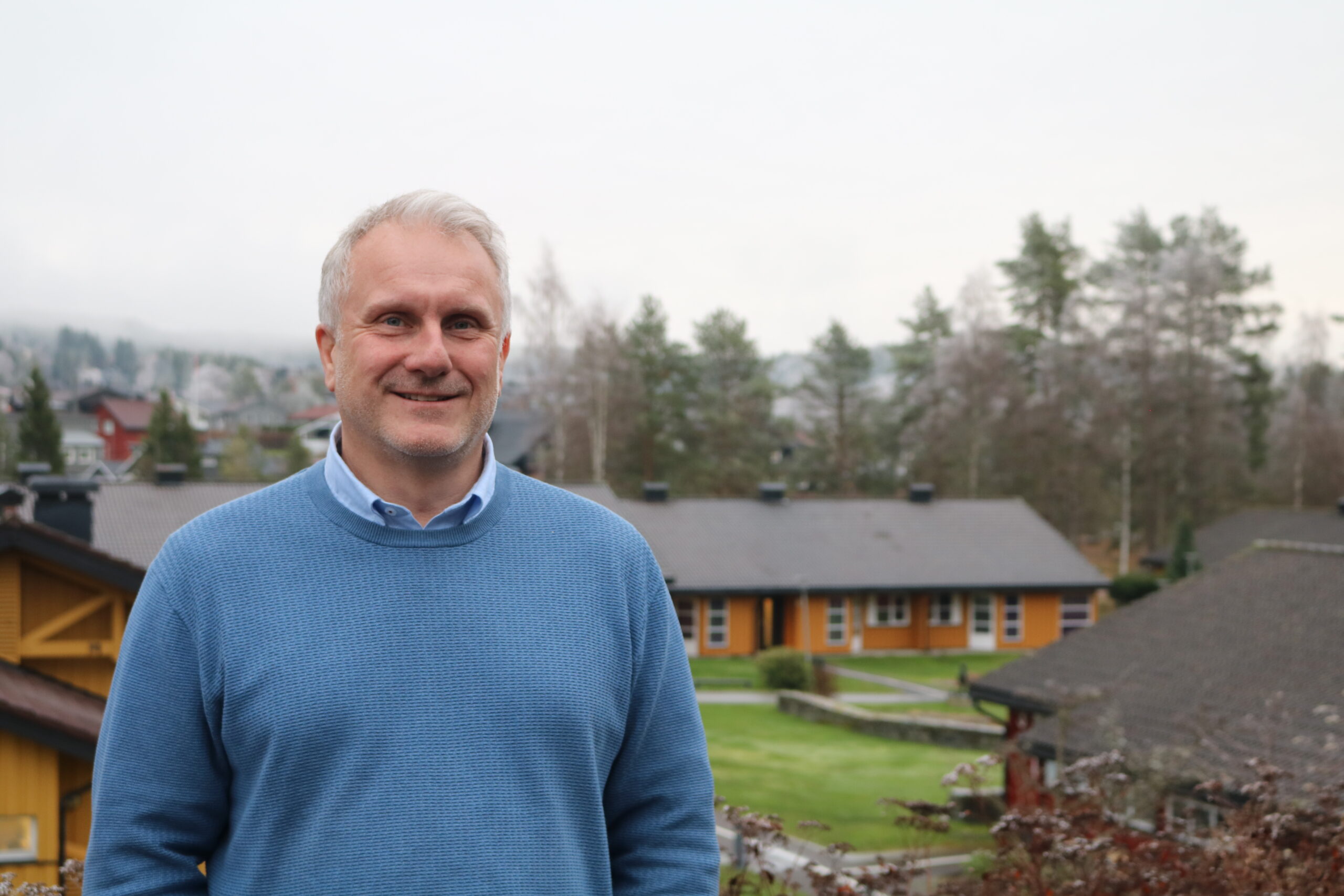
Thomas Øverby stands outside with buildings Eikholt visible in the background. He has graying short hair, smiles, and is wearing a blue shirt and a blue sweater.

Thomas Øverby has been appointed interim CEO at Eikholt

After several years, Thomas Øverby Eikholt takes over as interim CEO. Together with the management team and Eikholtemployees, he will help ensure continuity and further develop the services to the benefit of people with deafblindness and their close relatives.

A dark blue image with a sphere of light sparkles in the center. From four directions, points of light flow, representing different academic perspectives that create a unified whole. The image is generated by Artificial Intelligence

Charles Bonnet syndrome: This is why multidisciplinary collaboration is important

Not all visual symptoms in people with vision loss are Charles Bonnet syndrome. In a new article, you can read about the importance of thoroughly examining the symptoms and working across disciplines.

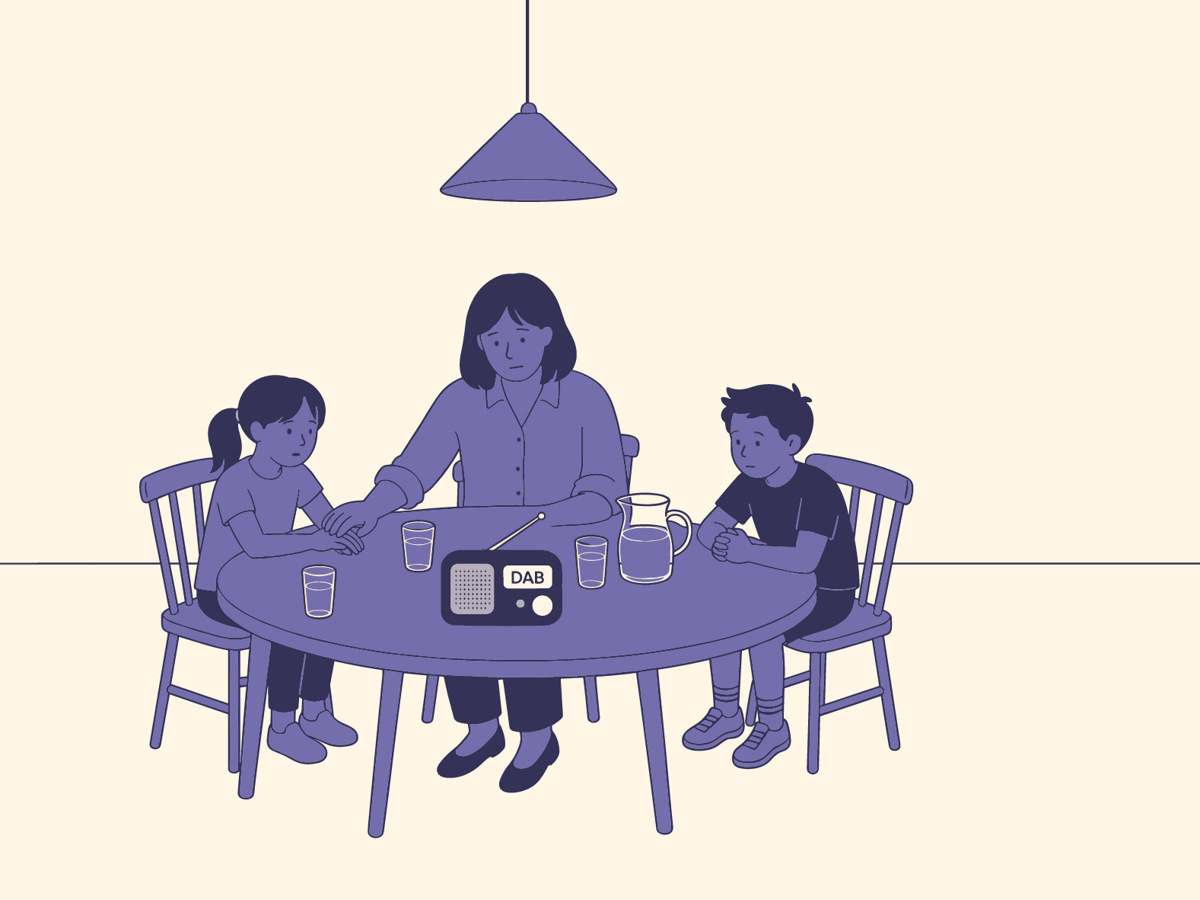
Illustration of three people sitting around a round table. There are two children and a mother. On the table is a DAb radio.

Self-sufficiency for people with deafblindness - how to prepare for a crisis?

Norwegian authorities recommend that everyone should be able to manage on their own for a week in a crisis situation. For people with deafblindness, it is especially important to plan how to obtain information, communicate, and use necessary assistive devices in the event of a power outage, mobile phone outage, or internet outage.

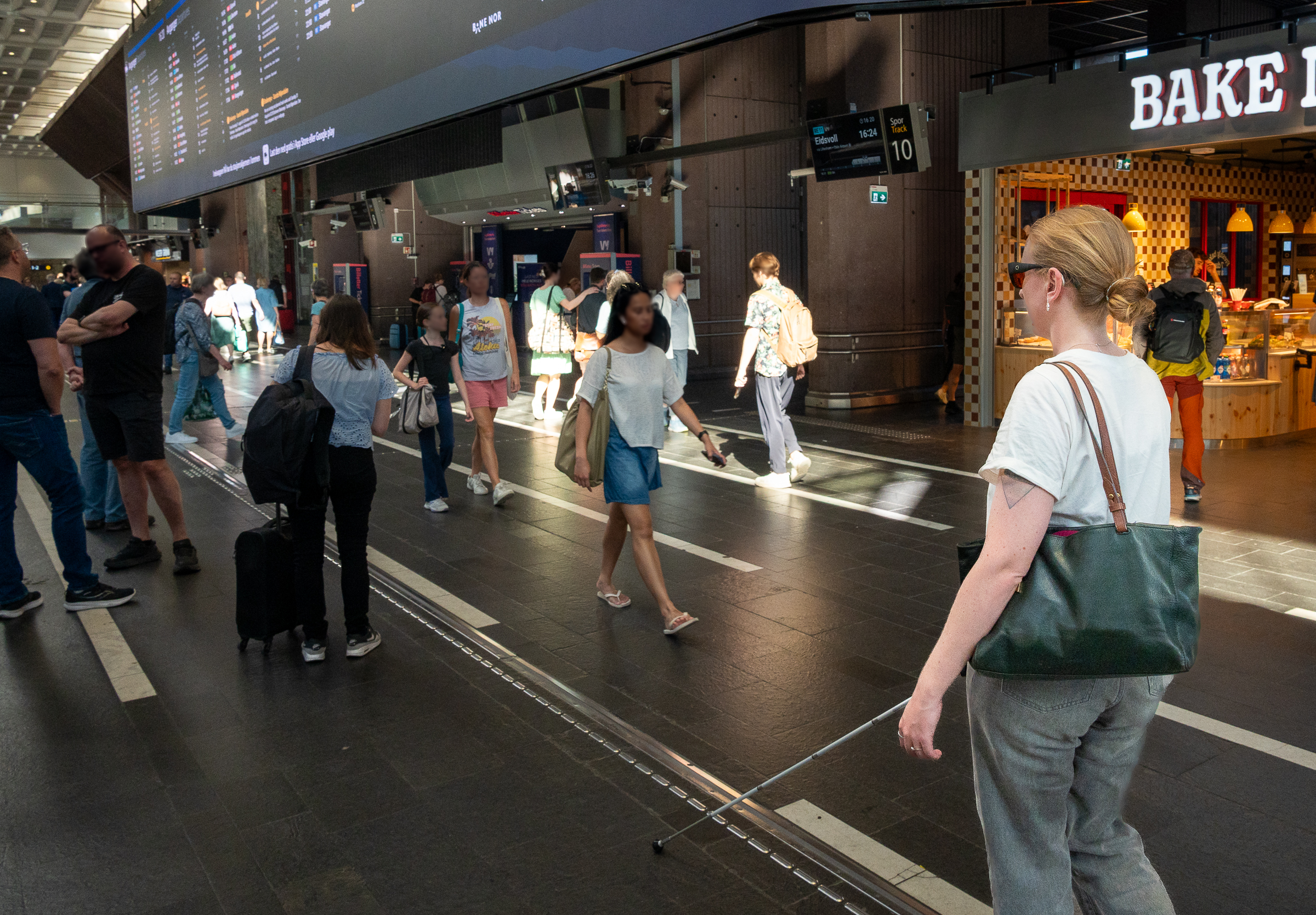
A woman is walking at Oslo Central Station. She has put on her hair, a purse and a white cane and is following a guide line.

My white stick: More than just a tool

Randi Espeland has used a white cane since she received mobility training at the end of the 1960s. For her, the cane is both an important tool and a means of communication that provides safety, independence, and freedom to move in everyday life. On White Cane Day, she encourages more people to use the white cane.

Did you find what you were looking for?